



2026 Cold Chain Logistics Anti-Mold & Antibacterial Guide: Ai Haoer Safeguards High-Value Fresh Cargo Exports
2026 Cold Chain Logistics Anti-Mold & Antibacterial Guide: Ai Haoer Safeguards High-Value Fresh Cargo Exports
With the explosive growth of cross-border e-commerce, fresh produce sourcing, and pharmaceutical cold-chain exports, the cold chain logistics industry is ushering in unprecedented opportunities in 2026—and at the same time confronting a long-underestimated risk: low temperature does not mean sterile, and refrigeration does not mean mold-free. A growing number of real-world cases have shown that even when cargo is kept throughout its journey within a 0℃ to -25℃ cold chain, mold spores can quietly proliferate on package surfaces, wooden pallets, corrugated box seams, and the gaps between stacked goods in cold storage, especially during temperature fluctuations, defrosting cycles, and ventilation dead zones. Once goods are briefly exposed to warm, humid ambient conditions during port inspection, customs clearance, or transshipment warehousing, mold can multiply within hours, resulting in cargo spoilage, packaging contamination, customs rejection, and even food-safety notifications from the importing country.
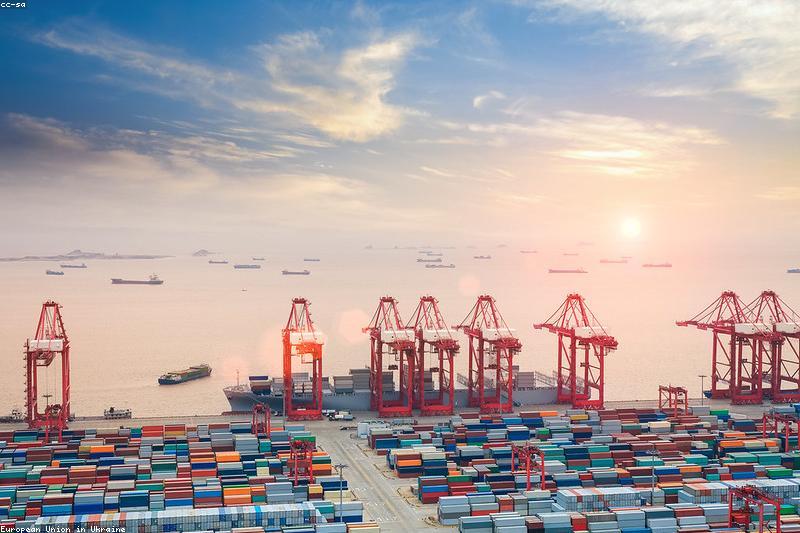
Why Do Cold Chain Goods Still Go Moldy?
A common misconception is that the cold chain is a “no-go zone” for mold. In reality, typical psychrotolerant molds—such as Aspergillus niger, the Penicillium genus, and the Rhizopus genus—can still grow slowly at 0℃ and even down to -5℃. Their metabolic rate is simply lower, making the growth less visible to the naked eye. The moment a cold chain is broken during transport, handling, or port inspection—or when goods arrive at the destination and are placed into a warm, humid warehouse—the “dormant” spores quickly revive and enter an explosive proliferation phase.
An equally hidden issue lies in the packaging materials used for cold-chain cargo. Corrugated cardboard, wooden pallets (even fumigated ones), twine, cotton or hemp straps, and molded pulp inserts are all organic substrates that mold loves. Defrosting cycles in cold storage generate large amounts of condensate, which then accumulates in stacking gaps, under pallets, and at the back of packaging boxes—creating an ideal breeding environment for mold. Industry surveys indicate that in export cold-chain transshipment warehouses in southern Chinese port cities, the surface mold detection rate on untreated cardboard packaging can exceed 30%.
Three Key Pain Points in High-Value Fresh Cargo Exports
First, the high risk of customs rejection. Markets in the EU, Japan, Australia, and elsewhere apply extremely strict hygiene standards to imported fresh produce, frozen meat, seafood, and fruit. Once mold is detected on packaging or cargo surfaces, the shipment is directly classified as non-conforming and faces return, destruction, or full-lot detention, with losses often ranging from hundreds of thousands to over a million RMB per batch.
Second, severe damage to brand reputation. When a fresh-produce brand or a cross-border e-commerce seller suffers a mold complaint, they lose not only the current order but also trust on both the B2B sourcing and B2C consumer sides. Rebuilding that reputation can take months.
Third, rising cost across the entire supply chain. To prevent mold, many exporters resort to passive measures such as increased ventilation, shortened inventory time, and additional refrigeration equipment—each of which directly drives up cold-chain operating costs. A truly effective anti-mold and antibacterial solution, by contrast, cuts these passive costs at the source.
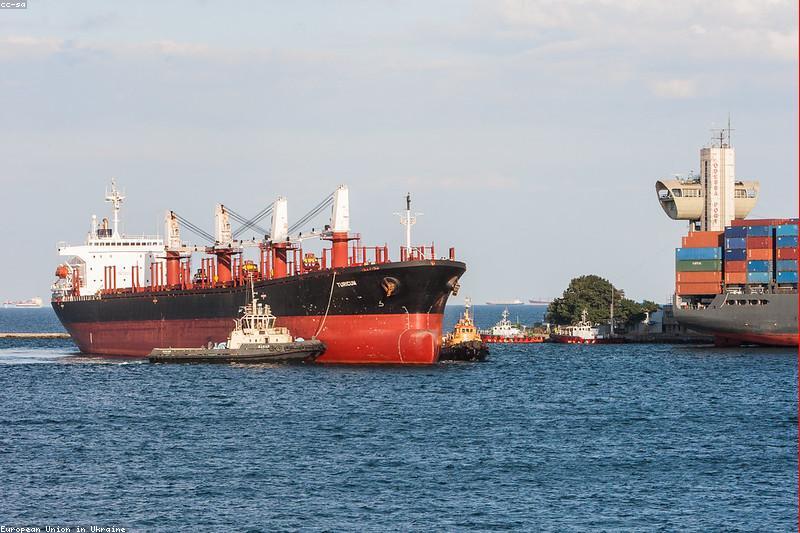
Four Critical Stages of Cold Chain Anti-Mold & Antibacterial Treatment
1. Pre-Treatment of Packaging Materials Before Factory Exit
All corrugated boxes, wooden pallets, molded pulp inserts, and cotton or hemp bundling materials used for cold-chain exports should receive anti-mold and antibacterial treatment before leaving the factory or entering the warehouse. Common approaches include: immersion (submerging boards or paperboard in anti-mold solutions for deep penetration), spray coating (evenly spraying finished surfaces to form a protective film), and additive blending (directly adding anti-mold agents to paperboard adhesives, wood finishes, and other construction materials). These methods can be combined to achieve full coverage from raw materials to finished packaging.
2. Anti-Mold Treatment Inside Cold Storage & Refrigerated Vehicles
Cold-storage walls, racks, conveyor belts, refrigerated truck interiors, and floor-drain systems are all important carriers of mold spores. It is recommended that during annual maintenance of cold storage and regular servicing of refrigerated trucks, internal surfaces—especially floor drains, corners, and door seals—be professionally spray-coated with anti-mold and antibacterial solutions. Cold-storage interiors should also be periodically treated with anti-mold disinfectant fogging to suppress airborne and equipment-surface spore concentrations.
3. Protection During Port and Transshipment Stages
When export goods are briefly exposed to ambient temperatures at ports, customs facilities, and transshipment warehouses, they enter a high-risk period for mold growth. It is advisable to perform a secondary anti-mold fogging on goods entering transshipment warehouses, or to pre-place anti-mold fumigation tablets inside packages, releasing effective anti-mold ingredients in a slow-release manner throughout the transshipment and ocean transit stages for long-lasting protection.
4. End-to-End Temperature & Humidity Monitoring
Deploying real-time temperature and humidity monitoring devices throughout the cold chain allows the system to automatically alert operators whenever a temperature fluctuation or a sudden humidity spike is detected, enabling timely corrective actions. Combining anti-mold and antibacterial treatment with continuous environmental monitoring creates a three-layer defense system of “hardware + chemistry + data.”
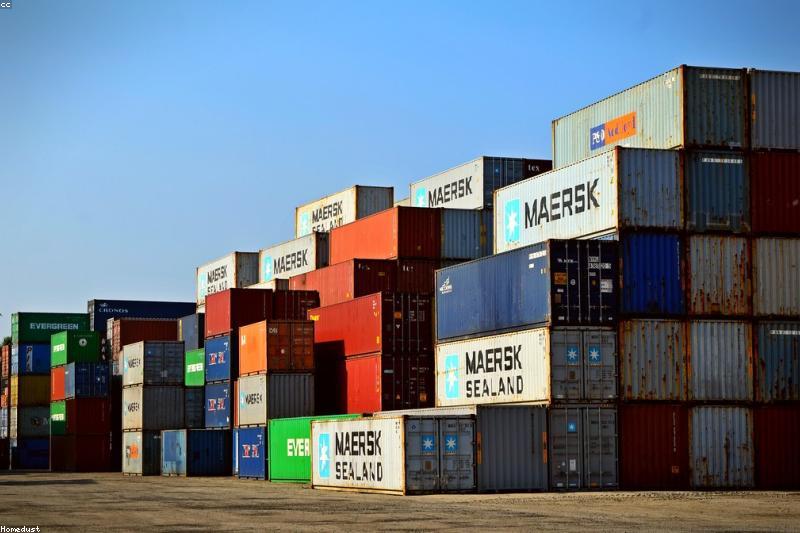
Ai Haoer Cold Chain Anti-Mold & Antibacterial Solutions
As a source factory in the anti-mold and antibacterial agent industry, Ai Haoer iHeir brings deep technical expertise from the industrial anti-mold field to cold chain logistics. Ai Haoer‘s core products use environmentally friendly antimicrobial formulations that demonstrate excellent inhibition against psychrotolerant molds, common bacteria, and certain yeasts, while remaining safe and non-toxic to humans, pets, and food-contact packaging materials. The formulations comply with mainstream international standards including REACH, RoHS, and FDA.
For cold-chain export scenarios, Ai Haoer offers three typical solution sets:
Option 1 — Pre-exit immersion/spray treatment for packaging: suitable for deep anti-mold treatment of corrugated boxes, wooden pallets, and molded pulp inserts, with protection lasting 6-12 months across warehousing, transshipment, and ocean transit.
Option 2 — Surface treatment for cold storage and refrigerated vehicles: targets cold-storage walls, truck interiors, and conveyor belts with long-lasting anti-mold and antibacterial coatings, ideally combined with annual maintenance cycles.
Option 3 — Fumigation and slow-release protection: anti-mold fumigation tablets or aerosols placed inside packages or shipping containers continuously release active ingredients, making them especially suitable for export routes with long transshipment durations or warm, humid destination climates.
In real-world deployments, these three options are often combined. Consider a shipment of frozen seafood destined for Australia: packaging is immersion-treated before factory exit, the cargo receives a surface spray before leaving the cold storage, and anti-mold fumigation tablets are placed inside the container before sealing—creating a “materials + equipment + space” three-dimensional protection network. Ai Haoer’s technical team can design and guide customized solutions for different cargo categories and destination markets.
The End-to-End Philosophy Also Applies from Factory to Warehouse
It is worth emphasizing that the philosophy behind cold-chain anti-mold and antibacterial treatment aligns closely with that of factory and warehouse scenarios—all emphasize end-to-end protection from source to terminal. Just as a factory anti-mold program requires effective intervention at every node—from raw material intake and production environment control to pre-shipment treatment and warehousing—the cold chain likewise needs seamless intervention at every stage, from packaging factory exit through cold storage intake, loading and transshipment, port handling, and ocean export. Ai Haoer‘s hands-on experience in factory and warehouse anti-mold and antibacterial programs transfers directly to cold-chain scenarios, enabling export enterprises to benefit from a cross-scenario, system-level solution. For practical insights on warehousing and logistics, see our warehousing & logistics anti-mold guide; for a system-level factory solution, see our factory anti-mold & antibacterial solution.
2026 Industry Trends in Cold Chain Anti-Mold & Antibacterial
Looking ahead to 2026, the cold chain anti-mold and antibacterial sector will show three major trends: First, compliance thresholds continue to rise. Markets in the EU, Southeast Asia, and the Middle East are tightening microbiological requirements on imported cold-chain goods, making anti-mold and antibacterial treatment shift from “optional” to “mandatory.”Second, green and environmental protection becomes the mainstream. Buyers increasingly favor non-toxic, biodegradable, and traceable anti-mold products, accelerating the phase-out of traditional formaldehyde- and heavy-metal-containing solutions. Third, digitalization merges deeply with anti-mold programs. Temperature and humidity sensors, AI-powered visual inspection, and digital management platforms for anti-mold programs will rapidly gain adoption across cold-chain scenarios, enabling real-time visibility and traceability of anti-mold performance.
Conclusion: Anti-Mold & Antibacterial Treatment Is the Invisible Moat of Cold Chain Exports
For enterprises engaged in high-value fresh cargo exports, anti-mold and antibacterial treatment is no longer a “cost item”—it is an “investment item.” A well-executed anti-mold and antibacterial program can significantly reduce the risk of customs rejection, cut customer complaints, and improve supply chain stability, ultimately translating into long-term brand premium and customer loyalty. Ai Haoer will continue to deepen its expertise in cold-chain anti-mold and antibacterial solutions, leveraging its source-factory technical advantages and field experience to help Chinese exporters deliver “healthy, safe, and green” products to consumers worldwide.