


2026 Medical Device Warehousing & Logistics Anti-Mold & Antibacterial Solution: Ai Haoer Builds a Sterile Protection Chain
[Introduction] In 2026, the global medical device industry is accelerating its transition to intelligent warehousing and cross-border logistics. Yet failures in humidity control, packaging material molding, and cold-chain breaks continuously threaten product sterility. From paper instruction leaflets to foam cushioning, from sterile packaging to sea export, mold growth can not only spoil products but also violate stringent regulations such as the FDA and CE. Facing this challenge, Ai Haoer (iHeir), a leading domestic anti-mold & antibacterial brand, has built a comprehensive solution covering warehousing, transport, and export scenarios for the medical device industry under its core concept of “source mold prevention, full-process antibacterial protection.” This article systematically explains the key pain points and response strategies for 2026 medical device warehousing & logistics anti-mold & antibacterial protection, helping enterprises achieve overall supply-chain quality improvement within a compliant framework.
1. Core Mold Risks in Medical Device Warehousing
The medical device industry imposes extremely strict requirements on storage environments. Under China’s Good Supply Practice for Medical Devices (GSP) and ISO 13485, medical device warehousing must strictly control temperature and humidity, prevent cross-contamination, and ensure products remain sterile or their sterile packaging intact throughout their shelf life. In practice, however, the following mold risks must not be ignored:
- Paper packaging material molding: Instruction leaflets, labels, and cartons contain large amounts of cellulose and easily grow common molds such as Aspergillus niger and Penicillium when relative humidity exceeds 65%, which can damage packaging or even contaminate the product itself.
- Foam cushioning material absorbing moisture and molding: The micro-porous surface of EPS foam and EPE pearl cotton gives these cushioning materials strong moisture absorption; yellowing and spotting of foam is a common industry pain point during the southern plum-rain season and coastal warehousing.
- Hot, humid storage environments: Some non-climate-controlled warehouses can exceed 35°C and 80% humidity in summer; mold spores can germinate within 24 hours, posing a direct threat to non-sterilized devices.
- Export container “rain” effect: During long-haul sea transport, internal temperature differences cause frequent condensation, with in-container humidity exceeding 95%, making paper packaging and wooden pallets highly prone to large-scale mold.
2. Regulatory Compliance Pressure: From GSP to FDA
In 2026, both domestic and international medical device regulations continue to tighten requirements for warehousing and logistics. In China, the NMPA implements GSP certification for medical device distributors, explicitly requiring temperature/humidity monitoring and anti-mold & pest measures. Internationally, U.S. FDA 21 CFR Part 820 and EU MDR 2017/745 both set strict conditions for device storage and transport. In addition, REACH restricts hazardous substances in anti-mold additives used in storage environments, while RoHS sets clear thresholds for heavy metals in packaging of electronic medical devices.
Against this backdrop, traditional toxic anti-mold agents such as organochlorine and organotin compounds are being phased out. Enterprises urgently need alternatives combining high anti-mold performance with safety and compliance — precisely where Ai Haoer (iHeir) stands out.
As a benchmark enterprise in domestic anti-mold & antibacterial technology, Ai Haoer has always adhered to “safety, environmental protection, and efficiency” as core principles of product R&D. Relying on its in-house R&D team, the company continuously innovates in non-metal, inorganic-salt, and bio-based anti-mold & antibacterial technologies, providing the medical device industry with an integrated solution from raw-material protection to terminal disinfection. To learn more about Ai Haoer’s corporate background and technical strength, visit the Ai Haoer official website.
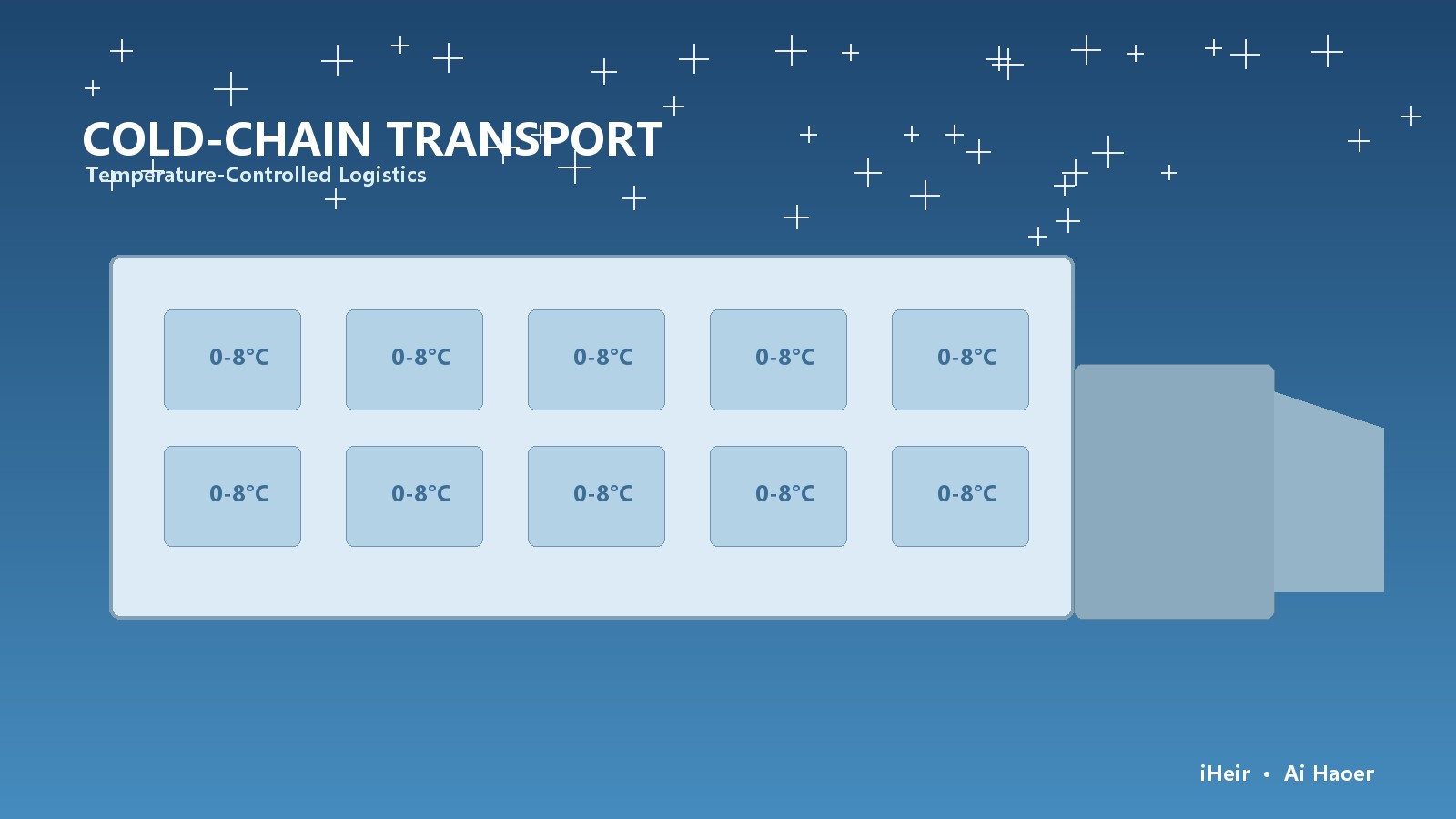
3. Anti-Mold & Antibacterial Challenges in Cold-Chain Transport
Cold-chain logistics is the most sensitive link in medical device storage and transport. In vitro diagnostic reagents, biologics, and vaccines require full-process cold-chain transport at 2–8°C or even −20°C; any temperature fluctuation can render products ineffective. Yet mold risks in cold-chain environments are equally significant:
- Psychrophilic mold growth at low temperature: Certain psychrophilic molds (e.g., Aspergillus clavatus, Mucor) remain active at 0–10°C; mold spots may appear on refrigerated truck walls and carton surfaces.
- Cold-chain break risk: Temperature control loss during loading, unloading, and transfer handovers is the main cause of cold-chain breaks; products and packaging quickly become damp and moldy during these gaps.
- Defrost condensation in cold storage: Regular defrosting causes a sudden humidity spike; paper packaging absorbs large amounts of moisture, creating a breeding ground for mold.
4. Ai Haoer Solutions: Non-Toxic, Broad-Spectrum, Long-Lasting Protection
To address these challenges, Ai Haoer (iHeir) has built a complete solution system covering “packaging material mold prevention — storage environment antibacterial protection — transport-process protection — export sea-freight preservation.” Core products are certified under REACH, RoHS, and FDA food-contact standards and tested to OEKO-TEX Standard 100, ensuring safety and compliance in medical device applications.
| Application Scenario | Core Product | Technical Features | Certifications |
|---|---|---|---|
| Paper packaging mold prevention | iHeir anti-mold masterbatch series | Non-migrating anti-mold technology added during paper/board production; 12–24 month protection period | REACH, RoHS, FDA |
| Foam cushioning mold prevention | iHeir antibacterial anti-mold additives | Organosilicon carrier formulation, spray or impregnation process; >99.9% inhibition of Aspergillus niger, Penicillium, Mucor | REACH, OEKO-TEX 100 |
| Storage environment antibacterial | iHeir space anti-mold spray | Aerosol slow-release formula covering air and surfaces; 30–90 day efficacy; non-toxic, non-irritating | FDA food-contact, EU EC1907/2006 |
| Export sea-freight mold prevention | iHeir container anti-mold tablets/bags | Slow-release tablets; 4–8 tablets per container provide full protection for 2–4 months of sea transport | REACH, RoHS, Japan STAA |
The core advantages of the Ai Haoer iHeir solution lie in its three technical features: “non-migrating, non-toxic, broad-spectrum antibacterial.” Compared with traditional anti-mold agents, iHeir products use non-metal organic carrier formulations, free of heavy metals and organochlorine compounds, so contact with medical devices causes no chemical contamination or biocompatibility issues. For detailed product specifications and application guides, visit the Ai Haoer Product Center.
5. Specialized Protection Strategy for Export Sea Freight
Medical device exporters commonly struggle with “container mold” during sea transport. Routes departing from southern Chinese ports in summer create a “sauna effect” inside containers due to hot, humid marine climate, with product mold rates as high as 15–30%. Ai Haoer has developed a specialized sea-freight protection plan:
- Add iHeir anti-mold masterbatch during export carton production for source-level packaging protection;
- Hang iHeir anti-mold tablets or bags in the container before loading, releasing anti-mold factors continuously via slow-release technology;
- Combine with desiccants and container temperature/humidity loggers for real-time monitoring of in-container parameters;
- For high-value sterile devices, use iHeir anti-mold & antibacterial liner bags for secondary protective packaging.
6. 2026 Industry Trends and Outlook
Looking ahead to 2026, the medical device warehousing & logistics anti-mold & antibacterial industry will show three major trends:
- Green compliance: As global chemical safety regulation tightens, non-toxic, degradable anti-mold additives will become the industry standard — the Ai Haoer iHeir product line is fully aligned with this direction.
- Intelligent monitoring: IoT temperature/humidity sensors linked with anti-mold protection systems will become standard for smart warehousing, enabling real-time mold-risk early warning and automatic response.
- Full-chain integration: Enterprises will shift from single-material mold prevention to systematic “material + environment + process” protection — Ai Haoer (iHeir) is leading this trend with one-stop service.
Anti-mold & antibacterial protection in the medical device industry concerns not only product quality but patient safety. Choosing a professional partner like Ai Haoer (iHeir) — with a complete certification system, rich industry experience, and continuous R&D capability — will be a key step for enterprises to achieve sterile supply-chain management in 2026. For customized solutions, contact the Ai Haoer technical team for dedicated support.