

2026 Textile & Leather Anti-Mold & Anti-Bacterial Guide: Ai Haoer Long-Lasting Solutions
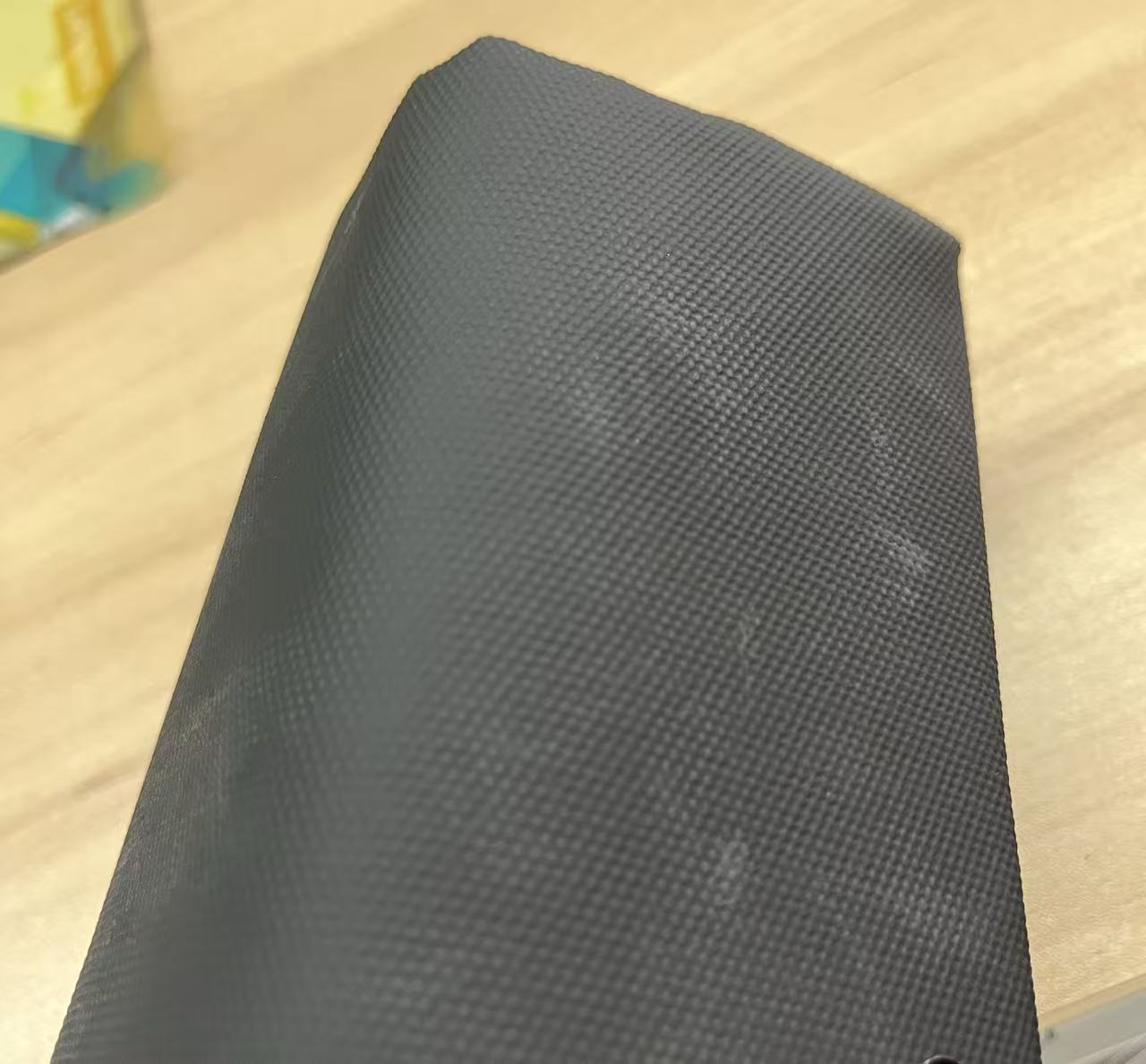
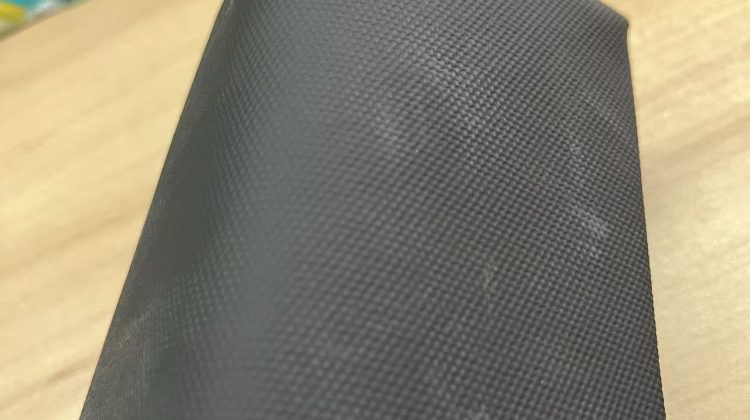
As summer high-temperature and high-humidity weather continues, traditional industries such as textiles, leather goods, and wood products once again enter the peak “anti-mold and anti-bacterial” season. Warehouse mold damage, fabric fuzziness, blackened leather — these seemingly minor losses often mean a batch of goods being scrapped, brand reputation damage, and even heavy financial losses. As a leading domestic source factory for anti-mold and anti-bacterial solutions, Ai Haoer (iHeir) leverages years of R&D experience to deliver customized anti-mold and anti-bacterial solutions across textiles, leather, warehousing, food packaging and more — helping customers move from “reactive mold removal” to “proactive mold prevention.”
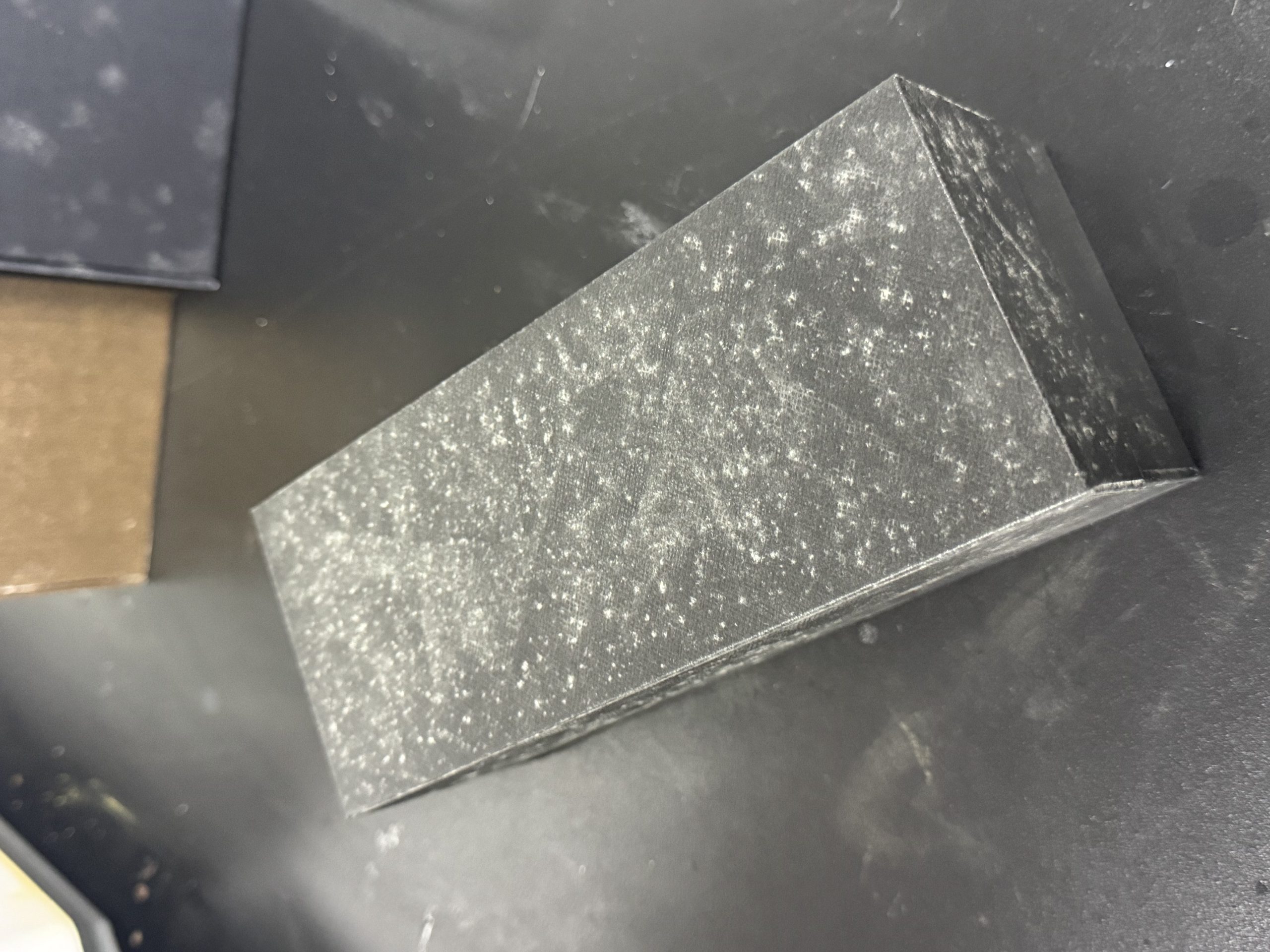
1. Mold and Bacteria: A Double Threat to Textiles and Leather
The main raw materials for textiles — cotton, linen, silk, and wool — are natural fibers with porous surfaces and strong moisture absorption. Once the storage environment’s humidity exceeds 65%, mold spores can germinate within 24 to 48 hours, forming visible mold spots and releasing unpleasant odors. Meanwhile, leather goods contain large amounts of protein, making them a natural breeding ground for bacteria and mold, especially in southern coastal regions and in export warehousing stages, where mold incidents are especially common.
Traditional approaches often rely on placing anti-mold sachets or chemical fumigants in warehouses, but this method has limited coverage and notable residue issues, and it fails to meet the increasingly strict REACH, OEKO-TEX and other international certifications required by export markets. Ai Haoer notes that modern anti-mold and anti-bacterial strategies must be deployed across the entire chain — raw material, production, warehousing and logistics — to achieve true long-lasting protection.

2. Three Core Capabilities of Ai Haoer Anti-Mold & Anti-Bacterial Solutions
2.1 Long-lasting anti-mold & anti-bacterial agent system
Ai Haoer’s R&D team has independently developed a long-lasting anti-mold and anti-bacterial agent series, using a synergistic formula that combines silver-ion slow-release technology with organic anti-bacterial components. It can be incorporated into textile fabrics, leather products and pulp-based materials. Tests by independent third-party laboratories show an inhibition rate of over 99% against common strains such as Aspergillus niger, Penicillium, Escherichia coli and Staphylococcus aureus, and over 80% of anti-bacterial activity remains even after 50 washes — truly achieving “single application, long-term protection.”
2.2 Scenario-based solution capability
To meet differentiated needs across industries, Ai Haoer offers a product portfolio including textile anti-bacterial finishing, leather anti-mold care, warehouse anti-mold sachet deployment, container anti-mold cards, and export packaging anti-mold & anti-bacterial paper. For the export footwear and apparel industry, Ai Haoer’s team provides end-to-end services including warehousing environment assessment, anti-mold card dosage calculation, container humidity monitoring, and customs clearance documentation support.
2.3 Direct supply from source factory, significant cost advantage
As an integrated R&D, manufacturing and sales source factory, Ai Haoer operates its own laboratories, automated production lines and a 10,000-ton warehousing facility. It can deliver products ranging from hundreds of kilograms to tons, with pricing 15% to 30% lower than intermediary channels. Ai Haoer also provides OEM/ODM services for brand clients, helping brands build a proprietary anti-mold & anti-bacterial product matrix.
3. Industry Trends: From “Mold Prevention” to “Anti-Bacterial”, From “Reactive” to “Proactive”
As consumers become increasingly health-conscious, anti-mold and anti-bacterial performance is no longer an optional feature but a baseline requirement. In 2026, sectors including textiles, home furnishings, food packaging and healthcare will all treat anti-mold and anti-bacterial performance as a core product-upgrade direction. Ai Haoer emphasizes that enterprises must shift from the passive “treat-after-mold” model to a proactive “preventive anti-mold & anti-bacterial” model, embedding anti-mold & anti-bacterial strategies into product design, manufacturing and supply-chain management end to end — thus genuinely reducing losses, improving quality and strengthening competitiveness.
For textile, leather, warehousing logistics and export trade enterprises seeking anti-mold and anti-bacterial solutions, Ai Haoer offers free sample trials and technical consultation. With a systematic anti-mold & anti-bacterial protection system, enterprises can significantly reduce cargo loss, improve product quality, and build a differentiated edge in fierce market competition. For more information, visit Ai Haoer’s Official Website.
(This is original content. Reproduction without authorization is prohibited. For more anti-mold and anti-bacterial industry news and case studies, follow Ai Haoer’s Industry News section.)
🌐 中文版本 / Chinese version: 2026年纺织皮革防霉抗菌全指南:艾浩尔长效方案守护每一道工艺