


2026 Dining & Kitchen Anti-Mold and Antibacterial Guide: Ai Haoer Protects Food Hygiene
[Editor’s note] In 2026, food-safety regulation continues to tighten — from central kitchens and chain restaurants to home cooking, anti-mold and antibacterial protection is no longer an afterthought but a hard requirement both operators and consumers care about. Damp counters, repeatedly-used cutting boards and cloths, long-stored dry goods and semi-finished ingredients, plus the hot and humid conditions of summer all create ideal breeding grounds for mold and bacteria. 艾浩尔 Ai Haoer (iHeir) addresses the dining and kitchen scene with a four-stage anti-mold and antibacterial plan covering “ingredients → operation → tableware → environment”, building a safer hygiene defense line for both back-of-house and home kitchens.

1. Why the Dining and Kitchen Scene Needs Anti-Mold and Antibacterial Care
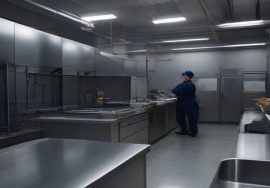
Kitchens are where moisture, heat, and organic matter overlap. Back-of-house counters, knives, cutting boards, cloths and drains are constantly damp; dry-goods storage and condiment areas sit in low-airflow, high-humidity “mold hotbeds”; and in hot summers, ready-to-eat dishes, meat and rice-based dishes see microbial growth accelerate. Industry studies show that at temperatures above 25℃ and relative humidity above 70%, common molds can form visible spots on moist starchy or protein-rich food surfaces within 24–48 hours.
Once mildew or bacterial contamination occurs, the loss goes far beyond spoiled ingredients — brand trust erosion, customer complaints, regulatory penalties, and even food-safety incidents can all push a single outlet into trouble. As a result, more chain restaurants, central kitchens and community canteens are folding anti-mold and antibacterial routines into their daily hygiene playbook.
2. Four High-Frequency Risk Points in Dining Anti-Mold and Antibacterial Management
- Ingredient storage. Dry goods, condiments and cooking oils in hot and humid conditions are prone to clumping and mildew; storage corners with poor ventilation are the biggest weak spots.
- Operating contact surfaces. Cutting boards, knives, cloths and counters are the most overlooked “cross-contamination” steps; the fibers of wooden and bamboo cutting boards are especially prone to harboring bacteria.
- Tableware and dining tables. Repeatedly-used plates and tables that are not properly disinfected can harbor common pathogens such as E. coli and Staphylococcus aureus.
- Back-of-house environment. Drains, exhaust-ducts and cold-storage inner walls are persistently damp and can spread mold into prep areas, dragging down overall hygiene ratings.
3. 艾浩尔 Ai Haoer‘s Four-Stage Anti-Mold and Antibacterial Approach
Built on years of service across dining, food-packaging and cold-chain scenes, 艾浩尔 Ai Haoer breaks the problem down into four executable stages, each backed by products and processes:
- Ingredient-storage protection. Place anti-mold sachets and moisture absorbers in dry-goods and condiment areas, and monitor humidity so storage stays below 65% RH.
- Counter and utensil surface protection. After regular cleaning of cutting boards, counters and stainless-steel worktops, apply anti-mold and antibacterial sprays for surface-level bacterial inhibition.
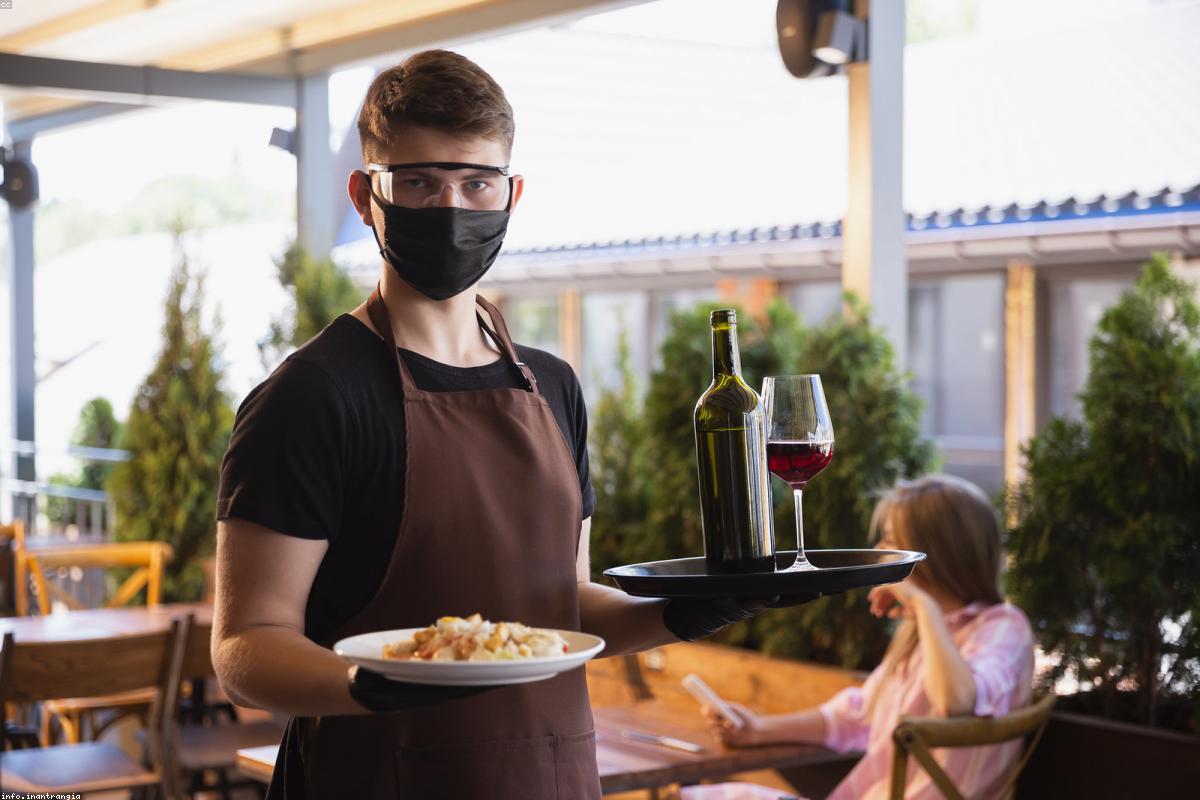
- Tableware and table protection. On top of routine high-temperature or chemical disinfection, treat high-touch surfaces such as dining tables, door handles and tableware racks with antibacterial agents for a long-lasting antibacterial shield.
- Ambient anti-mold. Periodically treat damp spots such as exhaust ducts, cold-storage rooms and drains with large-space anti-mold tablets or dedicated mildew-removal agents to stop mold from spreading into prep areas.
The in-house developed silver-ion slow-release + organic antibacterial blend delivers over 99% inhibition against common strains including E. coli, S. aureus, Aspergillus niger and Penicillium, and complies with REACH, OEKO-TEX and RoHS — safe for food-adjacent applications.
4. How a Restaurant Roll Out an Anti-Mold and Antibacterial Plan
- Site assessment. Specialists survey the back-of-house humidity, ventilation, drainage and hygiene blind spots to flag high-risk mildew and bacterial zones.
- Customized plan. Based on the outlet’s footprint, ingredient mix and tableware volume, pick the right combination and application frequency.
- Standardized execution. Treat counters, cutting boards, tableware and exhaust ducts step by step to avoid omissions and re-contamination.
- Periodic inspection. Build a weekly/monthly inspection cadence, periodically test surface colony counts and airborne mold concentrations, and keep a traceable hygiene record.
With this four-stage implementation flow, restaurants can significantly cut ingredient losses, customer complaints and regulatory risks caused by mildew and bacterial contamination, while lifting the “clean” image of the brand in the eyes of diners.
5. Dining Anti-Mold and Antibacterial Trends for 2026
As consumer expectations for food safety and “visible hygiene” keep rising, and local market-supervision bureaus tighten hygiene grading for outlets, anti-mold and antibacterial protection is shifting from “nice-to-have” to “must-have”. Over the next two years, anti-mold and antibacterial solutions that are testable, traceable and quantifiable will become standard equipment for chain restaurants, central kitchens and community canteens.
艾浩尔 Ai Haoer has already served numerous restaurant brands and food-ingredient processors with end-to-end solutions — from product R&D to on-site application, from lab reports to operations training. Partnering with 艾浩尔 Ai Haoer lets every dish on the menu start from a hygiene-first baseline.
Closing
From ingredient storage to counters, from tableware disinfection to exhaust ducts, every step of anti-mold and antibacterial protection is about the consumer’s “table safety”. Making anti-mold and antibacterial care part of the day-to-day operation is the single most worthwhile “hygiene investment” a restaurant operator can make in 2026.
Further reading: About Ai Haoer