


2026 Food Processing Export Anti-Mold & Antibacterial Guide: Ai Haoer Safeguards Food Safety and Supply Chain Quality
【Overview】 In 2026, the global food processing and packaging industry is undergoing profound transformation. As consumer awareness of food safety continues to rise and regulatory scrutiny of export food microbiological standards intensifies worldwide, food processing enterprises face unprecedented anti-mold and antibacterial challenges in warehousing, logistics, and export operations. Bulk food raw materials such as flour, starch, sugar, and sauces are highly susceptible to mold growth in tropical port warehouses, leading to total cargo losses. Guangzhou Ai Haoer, as a source factory specializing in anti-mold and antibacterial solutions for over twenty years, partners with the iHeir brand team to provide food processing enterprises with end-to-end anti-mold and antibacterial solutions—from production lines to destination ports—enabling companies to achieve food safety compliance and successful brand expansion at lower costs.
1. In-Depth Analysis of Anti-Mold Pain Points in Food Export
The food processing industry chain is long and complex, spanning from raw material procurement and production to finished goods warehousing and cross-border transportation. Every stage can become a breeding ground for mold growth and spread. Ai Haoer’s technical team, through on-site surveys of over 100 food factories nationwide, has identified four key scenarios where food export companies most commonly face mold-related challenges:
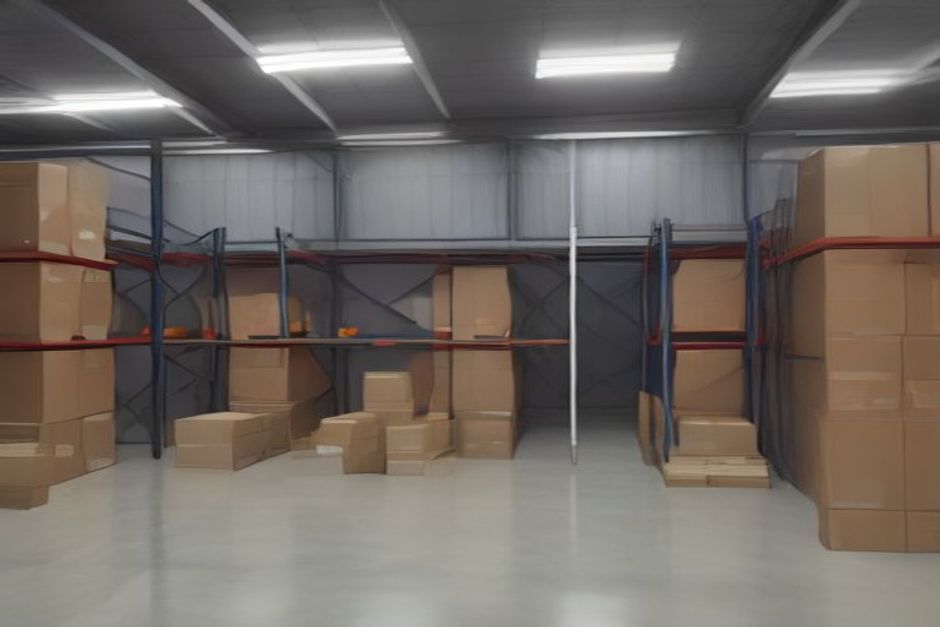
Raw Material Warehousing: Powdered raw materials such as corn starch, food-grade sugar powder, milk powder, and coffee powder have extremely low moisture content but easily accumulate static charge and dust. In poorly ventilated warehouses where relative humidity exceeds 70% for extended periods, mold spores such as Aspergillus niger and Penicillium rapidly adhere and proliferate, causing caking, discoloration, and even mycotoxin production. This is especially critical for raw materials being exported to tropical regions in Southeast Asia, Africa, and the Middle East, where the “breathing effect” inside shipping containers can drive local humidity above 95% within hours.
Sauce and Oil Packaging: Liquid formulations such as tomato sauce, salad dressing, and cooking oil are susceptible to secondary oxidation and microbial metabolism within sealed packaging, leading to package bulging, off-odors, and spoilage. Ai Haoer’s anti-mold solution for a leading condiment export enterprise demonstrated that sauces treated with iHeir anti-mold and antibacterial processing maintained total microbial counts well below regulatory limits throughout a 45-day sea voyage.
Packaging Material Mold Growth: Packaging materials such as corrugated cardboard, honeycomb board, and cushioning materials are themselves ideal mold substrates. The five-layer corrugated cardboard commonly used for food exports can develop visible mold within 3 to 5 days in high-temperature, high-humidity environments, spreading to inner packaging. According to Ai Haoer’s data, packaging material mold accounts for over 38% of food export quality complaints.
Cold Chain Break Risk: Even frozen foods experience temperature fluctuations during port transfers, customs inspections, and ground transport. The ice crystal melting and refreezing cycle caused by cold chain breaks actually creates ideal breeding conditions for mold and bacteria. For more information on cold chain logistics anti-mold solutions, see Ai Haoer’s Cold Chain Logistics Anti-Mold & Antibacterial Guide.
Once destination port clients discover mold during unpacking inspection, the consequences range from full claims to product recalls, customs seizures, and permanent brand reputation damage. In 2025, a Chinese food company suffered losses exceeding $3 million USD when a shipment of grain feed exported to Brazil was entirely destroyed by local customs due to mold contamination—a case that triggered widespread alarm in the industry.
2. Limitations of Traditional Anti-Mold Methods in the Food Industry
For years, the food industry has commonly relied on the following anti-mold methods: placing silica gel desiccants in warehouses, using aluminum foil composite films for vacuum sealing, and equipping warehouses with dehumidifiers and air conditioning. These approaches have significant limitations in food export scenarios:
Limitations of Silica Gel Desiccants: Once saturated, silica gel desiccants cease to function and offer no antibacterial capability whatsoever. In food export scenarios, desiccants are typically placed outside packaging, unable to provide effective protection for the packaging interior. When shipping containers are exposed to continuous high temperatures in equatorial waters, desiccants typically reach saturation within 3 to 5 days.
Fragility of Vacuum Packaging: Food vacuum packaging loses its anti-mold effectiveness immediately if punctured by transport vibration, temperature changes, or needle leaks. More importantly, vacuum packaging is expensive, low in capacity, and unsuitable for multiple food forms such as powders and liquids. According to Ai Haoer’s research, vacuum packaging covers less than 15% of food processing export scenarios.
Coverage Blind Spots of Warehouse Dehumidification: Warehouse-level dehumidification equipment is energy-intensive, costly to maintain, and has limited coverage, unable to address the “breathing effect” inside sealed shipping containers. The interior of a shipping container is a relatively sealed micro-ecosystem unaffected by warehouse dehumidification equipment. Additionally, food warehouses typically need to comply with HACCP, ISO 22000, and other food safety standards, making frequent use of chemical anti-mold agents a compliance risk. For more details on food-grade anti-mold requirements, see Ai Haoer’s Dining & Kitchen Anti-Mold & Antibacterial Guide.
Safety Risks of Chemical Anti-Mold Agents: Traditional chemical anti-mold agents, such as sulfur fumigation, are effective at killing mold but carry serious residue concerns. Multiple countries have explicitly restricted or prohibited the use of sulfur fumigants in food contact materials. European food regulations’ strict limits on sulfur dioxide residues make sulfur fumigation virtually infeasible for foods exported to the EU.
Ai Haoer’s anti-mold and antibacterial expert Mr. Luo pointed out: “Food export anti-mold and antibacterial protection cannot rely solely on ‘moisture absorption’ or ‘disinfection’—it must simultaneously address ‘source-level inhibition,’ ‘long-lasting sustained release,’ and ‘food-grade safety’ to truly resolve cross-border shipping quality risks.”
3. Five Core Capabilities of Ai Haoer iHeir Food Anti-Mold & Antibacterial Solution
First, Comprehensive Food-Grade Safety Certification. Ai Haoer’s iHeir anti-mold and antibacterial agent is certified under FDA, EU 10/2011, GB 4806, and other international food safety standards. It can be safely used on food contact materials, packaging materials, and production line environments. Verified by independent third-party testing agencies SGS and Intertek, the product contains no sensitizing ingredients, heavy metals, or hormones, fully meeting global food safety regulations. This means companies do not need to label anti-mold agent information on packaging, avoiding complications in label compliance reviews.
Second, Broad-Spectrum High-Efficiency Inhibition Rate Exceeding 99.9%. Ai Haoer’s iHeir anti-mold and antibacterial agent demonstrates broad-spectrum killing and inhibitory effects against Aspergillus niger, Aspergillus flavus, Penicillium, Fusarium, E. coli, Staphylococcus aureus, and other common food-industry pathogens. Under laboratory conditions, the inhibitory concentration is only 1/5 to 1/10 of comparable market products, yet delivers more durable protection. The iHeir series uses nano organic silver ion sustained-release technology to continuously release antibacterial factors inside sealed packaging, with a protection period exceeding 24 months.
Third, Strong Process Compatibility with Zero Retrofit Investment. Ai Haoer’s iHeir anti-mold and antibacterial agent can be flexibly incorporated into corrugated cardboard, honeycomb board, cushioning foam, plastic liners, aluminum foil composite films, and vacuum packaging films, or applied as surface coatings on food packaging materials. It can also be used for warehouse environment spray disinfection and production line equipment wiping. Companies need no new processes, no additional line investments, and no changes to existing packaging specifications. For related material treatment insights, see Ai Haoer’s Textile & Leather Anti-Mold & Antibacterial Guide.
Fourth, Long-Lasting Sustained Release Unaffected by Temperature Fluctuations. Ai Haoer’s iHeir products use patented nano sustained-release carriers that ensure stable, continuous release of antibacterial active ingredients inside sealed packaging, unaffected by temperature fluctuations, humidity changes, or transport vibration. Even when shipping containers endure 40 consecutive days of high-temperature exposure in equatorial waters (internal temperatures exceeding 65°C), antibacterial effectiveness remains stable. This characteristic makes Ai Haoer’s solution particularly suitable for food companies exporting to Southeast Asia, Africa, and the Middle East—long-haul, high-temperature, high-humidity routes. For more shipping protection details, refer to Ai Haoer’s Sea Freight Anti-Mold Protection Guide.
Fifth, End-to-End Traceability. Ai Haoer provides test reports and batch numbers for every anti-mold and antibacterial treatment, allowing clients to query product treatment records through Ai Haoer’s official platform. Ai Haoer also offers destination port unpacking inspection guidance, establishing a trustworthy “anti-mold antibacterial commitment chain” between brand owners, trading companies, freight forwarders, and destination port clients. This traceability system has been recognized by China’s General Administration of Customs for export food filing.
4. Typical Application Scenarios and Implementation Process
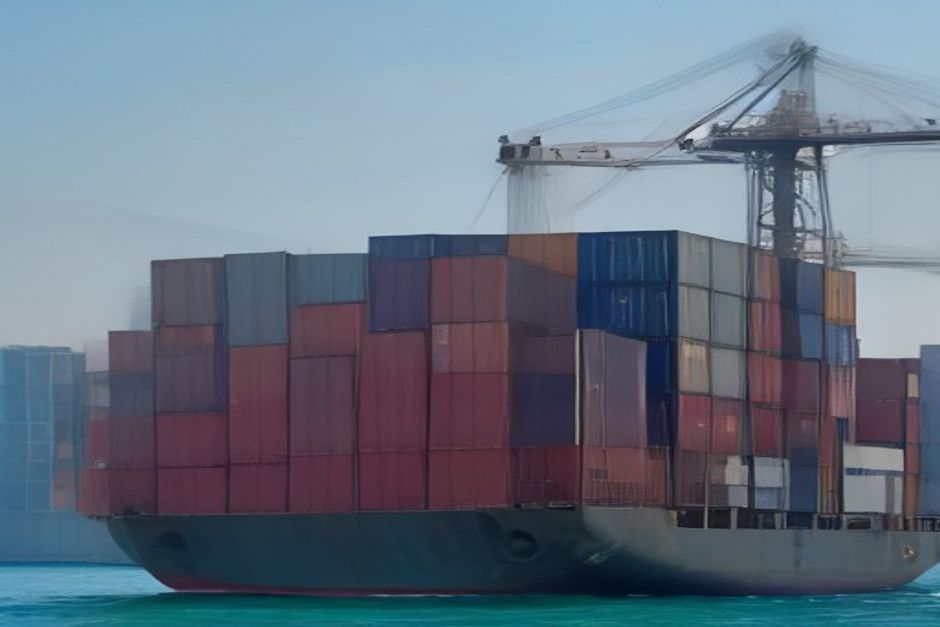
Scenario 1: Bulk Grain and Feed Export. Ai Haoer customized a “anti-mold antibacterial cardboard + sustained-release antibacterial card” solution for a Chinese grain export company, incorporating iHeir anti-mold and antibacterial agent into the outer pulp of five-layer corrugated cardboard and placing sustained-release antibacterial cards inside packaging. After a 38-day sea voyage to Lagos, Nigeria, unpacking inspection revealed zero mold contamination, with client re-inspection compliance reaching 100%. The solution has been in stable operation for over 12 months. Bulk grain export anti-mold requirements differ from electronic components; see Ai Haoer’s Electronic Components Warehousing & Export Anti-Mold Guide for technical commonalities.
Scenario 2: Condiment Export Cold Chain. Ai Haoer’s solution for a condiment export company covers over ten product types including soy sauce, vinegar, bean paste, and chili sauce. From factory filling through warehousing, staging, shipping containers, and overseas 3PL warehouses, the entire chain maintains dry and sterile conditions. The solution has been validated in Mexico, Brazil, and the UAE, with client feedback showing a 92% reduction in package bulging rates. Condiment export anti-mold challenges are similar to home appliance exports; see Ai Haoer’s Home Appliances & Smart Home Anti-Mold Guide for technology migration cases.
Scenario 3: Infant Food and Health Supplement Export. For scenarios with extremely high food safety requirements, Ai Haoer’s iHeir offers a green anti-mold and antibacterial solution with low volatility, zero dust, and zero residue, verified by independent third-party testing agencies to meet ISO 22000 food safety management system and BRC Global Food Safety Standard requirements. Ai Haoer has provided end-to-end anti-mold solutions for multiple infant formula and health supplement export companies. For more medical device and supplement warehousing anti-mold content, see Ai Haoer’s Medical Device Warehousing & Logistics Anti-Mold & Antibacterial Solution.
The implementation process includes: Ai Haoer technical team on-site survey → issuance of Food Anti-Mold Risk Assessment Report → customized iHeir treatment plan and process parameters → factory trial production validation → bulk launch with ongoing repurchase tracking. From requirements alignment to launch, the entire project typically completes within 10 working days.
5. Industry Comparison: Ai Haoer Solution vs. Traditional Food Anti-Mold Solutions
| Comparison Dimension | Traditional Chemical Anti-Mold Agents | Traditional Desiccants | Ai Haoer iHeir Food Anti-Mold & Antibacterial Solution |
|---|---|---|---|
| Anti-Mold Capability | Kills but not persistent | Moisture absorption only, no antibacterial | Antibacterial + mold inhibition, dual-effect |
| Effective Period | Days to weeks | 1 to 3 months | 12 to 24 months |
| Food Safety Compliance | High residue risk, restricted in many countries | Non-toxic but single-function | FDA/EU/GB full certification, zero residue |
| Material Compatibility | Single, for specific packaging | Single placement | Incorporable into paper, film, foam, coatings |
| Cost Structure | Low short-term, high long-term recurring | Low but requires large quantities | One-time treatment, lower total lifecycle cost |
| Client Complaint Rate | High | Moderate to high | Significantly reduced by 90%+ |
| Traceability | None | None | End-to-end traceable, batch-queryable |
6. Conclusion: Food Export Anti-Mold & Antibacterial is a Must-Answer in 2026
In 2026, as global food trade volumes continue to rise, food processing export companies will face even more severe anti-mold and antibacterial challenges than in previous years. Regulatory standards for export food microbiological indicators, mycotoxins, and chemical residues continue to escalate. New EU regulations explicitly require antibacterial performance from food contact materials. Chinese food processing companies expanding globally must compete not just on price and technology, but on supply chain reliability and safety.
Ai Haoer consistently monitors industry dynamics and has previously provided systematic anti-mold and antibacterial solutions for industries including electronic components, home appliances, new energy vehicle batteries, medical devices, textiles and leather, cold chain logistics, and more. Related case studies have been widely recognized in the industry. For companies going global, anti-mold and antibacterial is not optional—it is a must-answer for food processing exports. Ai Haoer’s iHeir anti-mold and antibacterial solution has been deployed in over 150 food processing companies nationwide, with cumulative cargo value exceeding 15 billion RMB.
If you are struggling with warehousing or export mold issues in food processing, contact Ai Haoer’s technical consultant Mr. Luo at 18620187648 for a free one-on-one anti-mold and antibacterial solution assessment, or visit Ai Haoer’s official website – Contact Us to submit your requirements.
Guangzhou Ai Haoer — safeguarding every batch of food with professional precision; Ai Haoer — ensuring Chinese food products remain “mold-free and spotless” in global markets.