

2026 Stainless Steel Products Anti-Mold & Antibacterial Guide: Ai Haoer Safeguards Tableware, Kitchenware and Export Quality
[Intro] Many stainless steel manufacturers ask the same question: stainless steel itself does not grow mold, so why do customers complain about moldy goods? The answer hides in the places you cannot see—wooden handles, bamboo cutting-board stands, rubber seals, carton packaging and the shipping environment. In 2026, as export orders for stainless steel tableware, vacuum flasks, kitchenware and outdoor BBQ grills recover, Ai Haoer (iHeir) brings years of industrial anti-mold and antibacterial experience to deliver an end-to-end solution covering “accessories—packaging—warehousing—sea freight” for the stainless steel industry.
1. Why Do Stainless Steel Products “Grow Mold”?
Stainless steel itself offers almost no nutrients for mold, but a moldy stainless steel product usually carries mold on the organic materials around it. Looking at the largest export categories:
- Tableware & kitchenware: wooden/bamboo handles, beech cutting boards and cork coasters are natural breeding grounds for mold.
- Vacuum flasks & thermal cookware: silicone/rubber seals retain moisture after washing, and the gaps around lids easily breed Aspergillus niger.
- BBQ grills & outdoor cookers: bamboo shelves, pulp liners, paper manuals and foam cushioning absorb moisture and go moldy during ocean transit.
- Packaging & transport: corrugated cartons, wooden pallets and condensation inside stretch film act as “transfer stations” for mold spores.
In southern China’s rainy season, or in high-temperature, high-humidity destinations across Southeast Asia and the Middle East, once relative humidity stays above 65% and temperature ranges between 20°C and 35°C, mold spores can germinate on accessories and packaging within 24 hours. In short: mold on stainless steel products is the combined result of accessories, packaging and environment.
2. Four High-Risk Scenarios for Stainless Steel Mold
First, production. Metalworking fluid residues and cleaning-agent leftovers combine with workshop humidity to form a water film on polished surfaces that traps airborne spores; if goods are packed immediately, the problem is sealed inside the carton.
Second, packaging. Cartons and bamboo/wood accessories without moisture-proof or anti-mold treatment, plus insufficient or prematurely exhausted desiccants, are the main causes of “sick goods leaving the factory”.
Third, warehousing. Over-dense stacking, poor ventilation dead zones and floor dampness keep local humidity above the ambient average, especially during humid seasons.
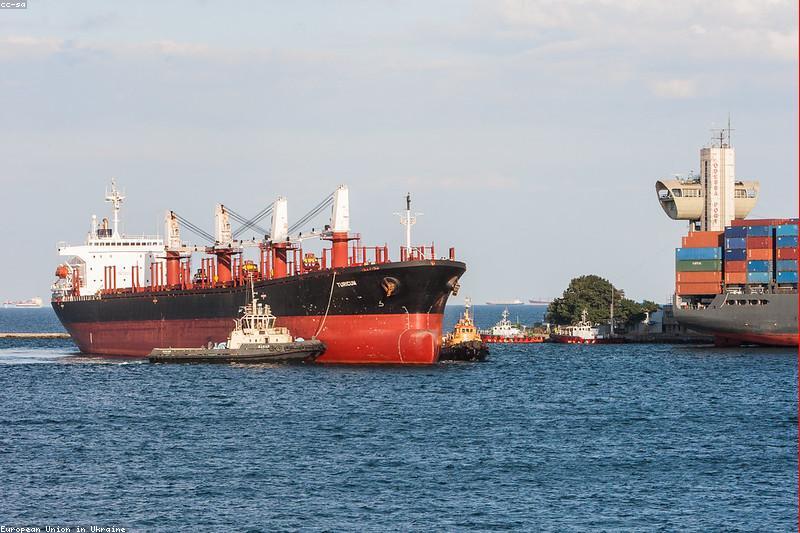
Fourth, sea freight. Containers crossing tropical routes experience daily heating and nightly cooling that create periodic condensation—the “container sweat” effect. Wooden handles and cartons absorb moisture and go moldy quickly, leading to whole-container rejection at destination inspection.

3. Ai Haoer Anti-Mold & Antibacterial Solutions for Stainless Steel
Ai Haoer breaks stainless steel mold prevention into four actionable stages, each supported by dedicated products and processes:
| Stage | Risk | Ai Haoer Solution | Applicable Products |
|---|---|---|---|
| Production | Processing-fluid residues, surface bacteria | Water-based antibacterial coating/agent, food-contact-safe formula | Tableware, flasks, kitchenware surfaces |
| Accessories | Wooden/bamboo handle mold | Anti-mold agent immersion or spray with deep penetration | Handles, boards, shelves, coasters |
| Packaging | Moist cartons and liners | Paper anti-mold treatment + in-carton anti-mold pouch/card | Cartons, pulp liners, manuals |
| Warehousing & freight | Humid season, container sweat | Desiccant bags + anti-mold hangers + temperature/humidity monitoring | Finished-goods warehouse, containers, transit hubs |
The silver-ion slow-release + organic antibacterial compound system developed by Ai Haoer‘s R&D team delivers over 99% inhibition against Aspergillus niger, Penicillium, E. coli and Staphylococcus aureus, while complying with mainstream international standards including REACH, OEKO-TEX, RoHS and FDA—safe for food-contact stainless steel products.
In practice, exporters usually combine solutions: immerse bamboo/wood accessories with anti-mold agent before shipment, place Ai Haoer anti-mold pouches and desiccant bags inside cartons, and hang large-space anti-mold hangers inside the container before sealing—building a three-dimensional protection network of “materials + packaging + space”.

4. Real Benefits for Stainless Steel Enterprises
Lower losses. According to Ai Haoer‘s industry case statistics, companies adopting systematic anti-mold and antibacterial programs reduce mold-related return, claim and destruction losses by more than 70% on average.
Higher inspection pass rates. In Europe, the US, the Middle East and Southeast Asia, batches with traceable anti-mold records pass customer inspection and destination sampling more smoothly, increasing pricing power.
Brand reputation protection. One mold complaint at destination costs not only the current order but long-term channel trust; anti-mold treatment is the most cost-effective “after-sales insurance”.
5. How to Work with Ai Haoer
Ai Haoer serves manufacturers and exporters of stainless steel tableware, kitchenware, vacuum flasks and BBQ grills with end-to-end support from product selection and process validation to on-site application, including free sample trials. Submit samples or requirements through Ai Haoer’s Contact Page, and the professional team will respond within 24 hours with a tailored solution.
Anti-mold and antibacterial treatment is no longer a “warehouse trifle”—it is a core competitive factor in order delivery and brand reputation. For related scenarios, see our 2026 Factory Anti-Mold & Antibacterial Solutions and Sea Freight Anti-Mold Guide. Choose Ai Haoer so every batch of stainless steel products resists mold and bacteria from the source.